
Navigate Independent Football Regulator Compliance with Confidence
The Football Governance Act 2025 has changed everything. Argus Pro helps your club prepare for Independent Football Regulator compliance by building the regulatory infrastructure and governance readiness you need to thrive under the new regime.
The Independent Football Regulator (IFR) is the biggest change to English football governance since the Premier League began in 1992. Established under the Football Governance Act 2025, the IFR now oversees 116 clubs across the top five tiers of men’s football, from the Premier League to the National League.
Every club needs an operating licence to compete. To get one, you must demonstrate sound financial planning, effective corporate governance, and meaningful fan engagement. The IFR has real powers: it can investigate, impose financial penalties, and in serious cases, revoke licences or remove unsuitable owners.
This is not a one-off hurdle. The IFR operates continuous supervision, much like the Financial Conduct Authority (FCA) oversees banks. Clubs that understand this shift will adapt faster and face lighter scrutiny over time.
What Independent Football Regulator Compliance Means for Your Club
The IFR’s licensing regime requires clubs to meet mandatory conditions across four areas:
- Financial sustainability: Demonstrate sound financial resources, robust planning, and resilience under stress. The IFR takes a forward-looking, risk-based approach – it wants to see how you will manage future challenges, not just current performance.
- Corporate governance: Meet the standards set out in the new Football Club Corporate Governance Code. Publish governance statements. Evidence effective decision-making, challenge and accountability at board level.
- Owner and director suitability: The enhanced Owners, Directors and Senior Executives (ODSE) test applies higher standards than ever before – and assessment is continuous, not just at appointment.
- Fan engagement: Conduct meaningful consultation with supporters on heritage matters including ticket prices, stadium changes, and club identity.
Structured Assessments & Regulatory Support:
How Argus Pro Helps Clubs
Argus Pro brings proven regulatory expertise from financial services to football. We understand how supervisors think, what evidence they expect, and how to build the structured approach that earns regulatory confidence.
Our support for football clubs draws on two elements of our platform and capability suite:
Aegis Compass | IFR™
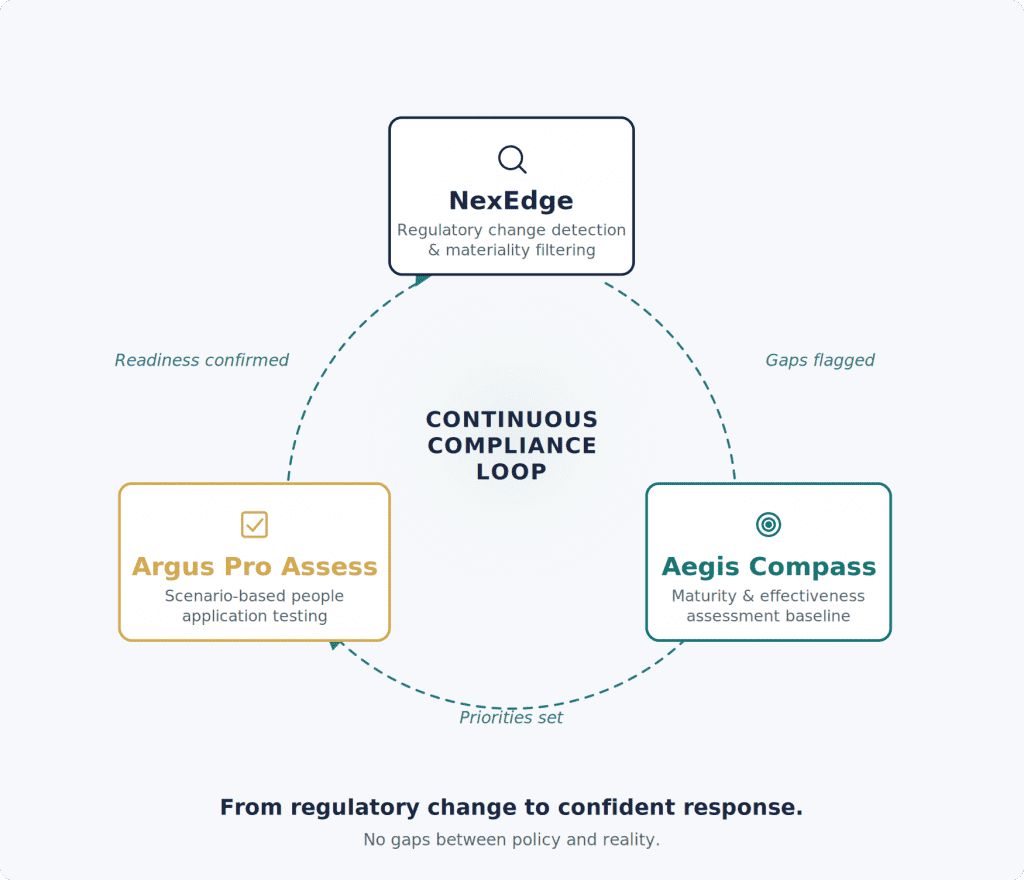
Aegis Compass is our structured assessment platform. Our IFR framework assessment, currently in development and available from June 2026, turns independent football regulator compliance requirements into a clear, comparable view of where your club stands and what to prioritise next. Instead of guessing whether your governance and controls meet regulatory expectations, you get a structured, evidence-focused assessment that reveals what is working, what is not, and where the greatest gaps are.
- Structured assessments mapped to IFR licensing conditions
- Clear view of governance maturity and control effectiveness
- Prioritised improvement roadmap with board-level reporting
- Evidence-focused outputs designed for regulatory readiness
NexEdge™
As the IFR’s rules and guidance evolve, clubs need to know what has changed and whether it affects them. NexEdge is our forward-looking regulatory intelligence capability, currently in development. It will monitor regulatory developments, interpret what has changed, and flag where your policies or controls may need to adapt, so you are never caught offside by a shift in the regulatory landscape.
- Regulatory change monitoring across IFR rules and guidance
- Materiality filtering: alerts when action is genuinely needed
- Gap identification linked to your existing control position
- Designed to work alongside Aegis Compass assessments
Support Across the Football Pyramid
The IFR expects proportionate controls; what works for a Premier League club will not be right for League Two. Our approach scales to your club’s size, risk profile and resources.
- Premier League clubs: Full-scope regulatory assessment and governance planning, with on-call support for regulatory engagement and suitability reviews.
- Championship clubs: Robust assessment and structured improvement planning, recognising the unique financial pressures of the division.
- League One and League Two: Proportionate solutions that deliver compliance readiness without unnecessary burden on lean governance teams.
- National League: Focused governance and culture support for clubs entering the regulated tier.
Key Dates: The Road to Full Licensing
- December 2025: Owners, Directors and Senior Executives (ODSE) test came into force. The IFR can now act on unsuitable owners. [NOW LIVE]
- Early 2026: First State of the Game report published, setting out the IFR’s priorities and concerns. [EXPECTED SHORTLY]
- Summer 2026: Pilot licensing scheme begins with participating clubs.
- November 2026 – February 2027: Provisional licence application window opens.
- 2027/28 Season: Full licensing regime operational. Every club must hold at least a provisional licence to compete.
Built on Regulatory Experience
- Decades of experience supporting regulated firms through FCA, PRA and other supervisory regimes
- Proven track record helping organisations adapt to new regulatory environments
- Deep understanding of how supervisors assess governance effectiveness
- Technology platforms designed for regulatory traceability and evidence-readiness
IFR Resources & Guidance
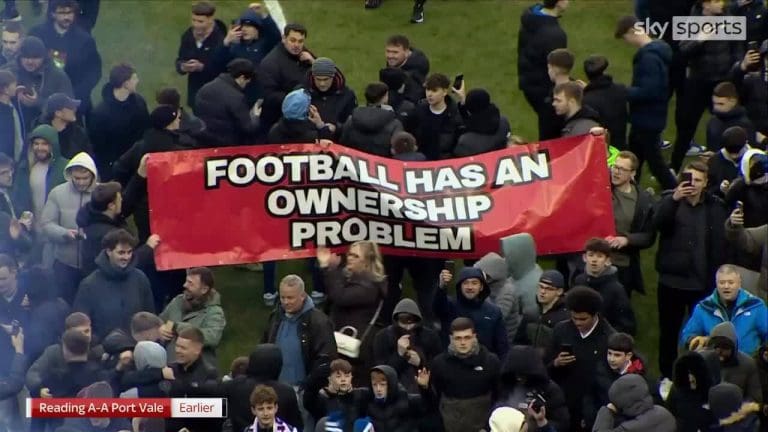
Explore our library of practical guidance for clubs preparing for the IFR regime:


Ready to Prepare for the IFR?
The clubs that succeed under the new regime will not be the ones with the thickest rulebooks. They will be the ones with clarity, discipline, integrity and the confidence to evidence it.
Talk to us about how Argus Pro can support your club’s journey to regulatory readiness.
FAQs
What is the Independent Football Regulator?
The Independent Football Regulator (IFR) is a statutory body established under the Football Governance Act 2025 to protect and promote the sustainability of English football. It oversees 116 clubs in the top five tiers of men’s football, operating a licensing regime, enhanced owner and director tests, and ongoing supervision of financial sustainability and governance.
Which clubs are regulated by the IFR?
The IFR regulates all clubs competing in the Premier League, Championship, League One, League Two, and the National League, a total of 116 clubs. Clubs promoted from below to the National League will become subject to the regime upon promotion.
When do football clubs need an IFR licence?
Every club in the top five tiers must hold at least a provisional licence to compete from the 2027/28 season. Applications for provisional licences will be accepted between November 2026 and February 2027. Full licences, which replace provisional licences, may take up to three years to obtain as clubs demonstrate ongoing compliance.
What are the mandatory licensing conditions?
Clubs must meet mandatory conditions in four areas: financial resources and planning, corporate governance, owner and director suitability, and fan engagement. This includes submitting financial plans, publishing governance statements, passing enhanced fitness tests, and conducting meaningful consultation with supporters on heritage matters.
What powers does the IFR have?
The IFR has extensive powers, including gathering information from clubs and individuals, launching investigations, imposing financial penalties, issuing directions, suspending or revoking licences, and removing unsuitable owners or directors. It can also require clubs to meet specific conditions, such as maintaining cash reserves, adhering to debt limits, or implementing governance improvements.
What is the Owners, Directors and Senior Executives (ODSE) test?
The ODSE test is an enhanced suitability assessment for club owners, directors and key executives. Unlike previous tests, it applies higher standards, covers more positions, and operates as a continuous assessment, not just at appointment. The IFR can investigate existing personnel if concerns arise and can disqualify unsuitable individuals from holding positions at any regulated club. The ODSE test has been live since December 2025.
How should clubs prepare for IFR regulation?
Clubs should focus on five areas:
- Building robust evidence trails that demonstrate compliance with IFR conditions
- Strengthening governance effectiveness and board challenge
- Ensuring financial planning is forward-looking and stress-tested
- Establishing meaningful fan engagement mechanisms
- Treating regulation as an ongoing relationship rather than a one-off licensing exercise.
Early investment in proportionate controls will earn lighter supervision over time.
Does Argus Pro provide audits or compliance certification?
No. Argus Pro is not an auditor and does not provide audit opinions. Our frameworks and platforms support readiness, prioritisation and improvement planning. They are designed to help clubs understand their current position, identify gaps, and focus their efforts where they will have the greatest impact.